
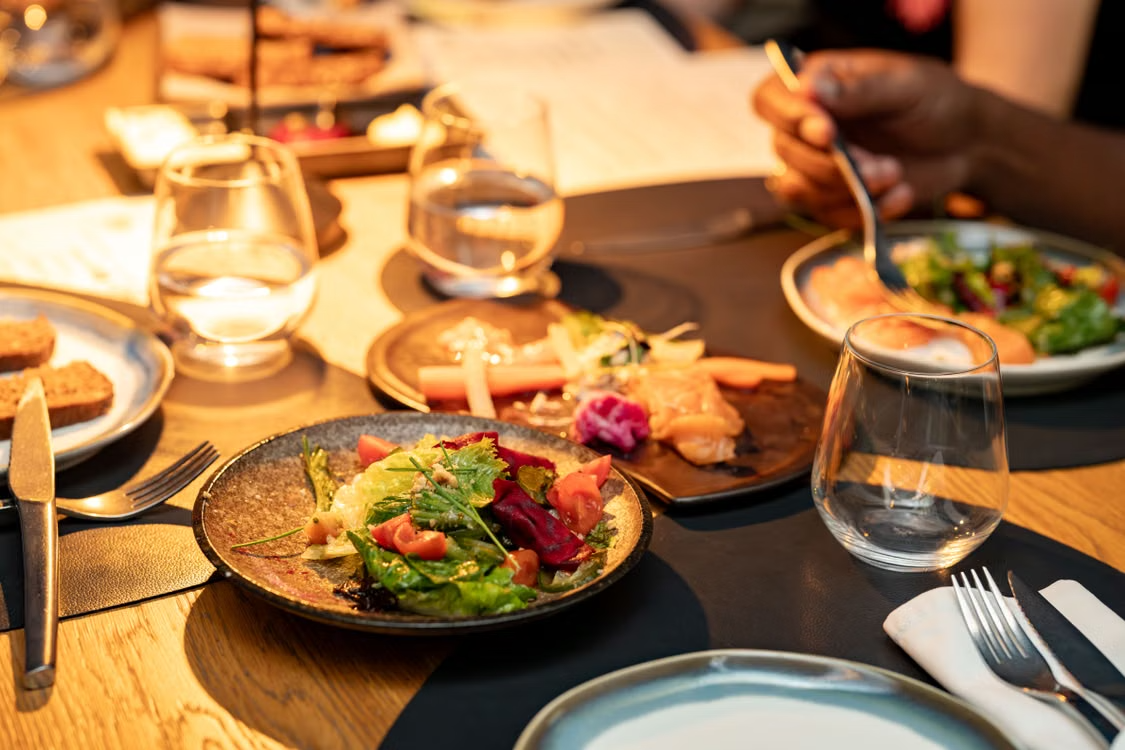
Getting a group to agree on dinner sounds easy until everyone says, “I don’t care.” Usually, they do care; they just have different priorities. One person wants comfort food, another wants healthy options, someone checks the budget, and another cares about parking or atmosphere. For anyone thinking about choosing group restaurants, the real decision often comes from several quiet preferences rather than one loud opinion. A casual dining option may win because it gives everyone enough reasons to say yes.
The menu quietly settles the argument
When people claim to be flexible, the menu often becomes the first real filter. Groups tend to favor restaurants where no single cuisine or dish excludes too many people. A broad menu can satisfy someone craving a burger, another person wanting a salad, and someone else hoping for a hearty entrée.
Variety does not mean an enormous menu. It means enough recognizable choices for different appetites. Shareable starters can give the table something easy to agree on.
Dietary needs matter, even when nobody announces them
A person may say they can eat anywhere while checking whether vegetarian, lighter, dairy-free, or other suitable choices are available. Others may have preferences they do not want to make into a group discussion. That means a restaurant with a few flexible options can have a major advantage.
Menus influence group decisions more than people realize. Nobody wants to make everyone change plans because they cannot find something enjoyable to eat. A restaurant accommodating different needs can remove that concern.

Budget can decide the table
Price is another hidden factor. People may say they are open to anything, but they have different ideas about what a reasonable dinner costs. One guest may order several courses, while another may be watching every expense.
The final choice often lands in the middle. Restaurants with varied price points give groups more freedom without making anyone uncomfortable. Specials and shareable dishes can also make a restaurant easier to accept.
Atmosphere changes the answer
The same group might choose restaurants depending on the occasion. A birthday dinner calls for a different setting than a quick meal after work. A family gathering may benefit from a relaxed room, while friends may favor a lively setting where conversation feels natural.
Noise level matters, too. A restaurant can have excellent food and still lose the group if people expect to struggle to hear each other. Comfortable seating, lighting, and music affect how long people stay.
Location and convenience often win
Nobody likes admitting that convenience influenced the decision, but it usually does. A restaurant that is reasonably close to everyone can beat a more exciting option that requires a long drive. Parking, public transportation, traffic, and the expected length of the meal can all enter the calculation.
For larger groups, accessibility becomes important. If one person has difficulty getting there, the group may choose a more convenient option. The easiest restaurant gets the fastest agreement.

The occasion sets the tone
Dinner decisions become easier when the group remembers why they are meeting. Is it a casual catch-up, a celebration, a work gathering, or simply a chance to eat together? The answer narrows the choices quickly.
For a celebration, people may value desserts and a festive setting. For a work meal, reliable service and conversation-friendly seating may matter more. For families, a welcoming environment and familiar food can carry more weight.
Who speaks first can influence everyone
Group decisions are social. When the first person suggests a restaurant, others may simply agree because they do not want to prolong the discussion. This can make it seem everyone prefers the same place.
The best approach is to ask specific questions instead of asking, “Where do you want to eat?” Questions such as “Are we keeping it casual?” or “Does anyone need vegetarian choices?” reveal preferences people might otherwise leave unsaid.
The group usually chooses the safest yes
After preferences are considered, groups often select the restaurant that creates the fewest objections. It may not be everyone’s first choice, but it gives most people a comfortable reason to agree. That helps explain many successful group dinners.
A good group restaurant does not have to please every person equally. It needs enough flexibility that nobody feels overlooked. Menu variety, price, atmosphere, location, and occasion all work together to make that possible.
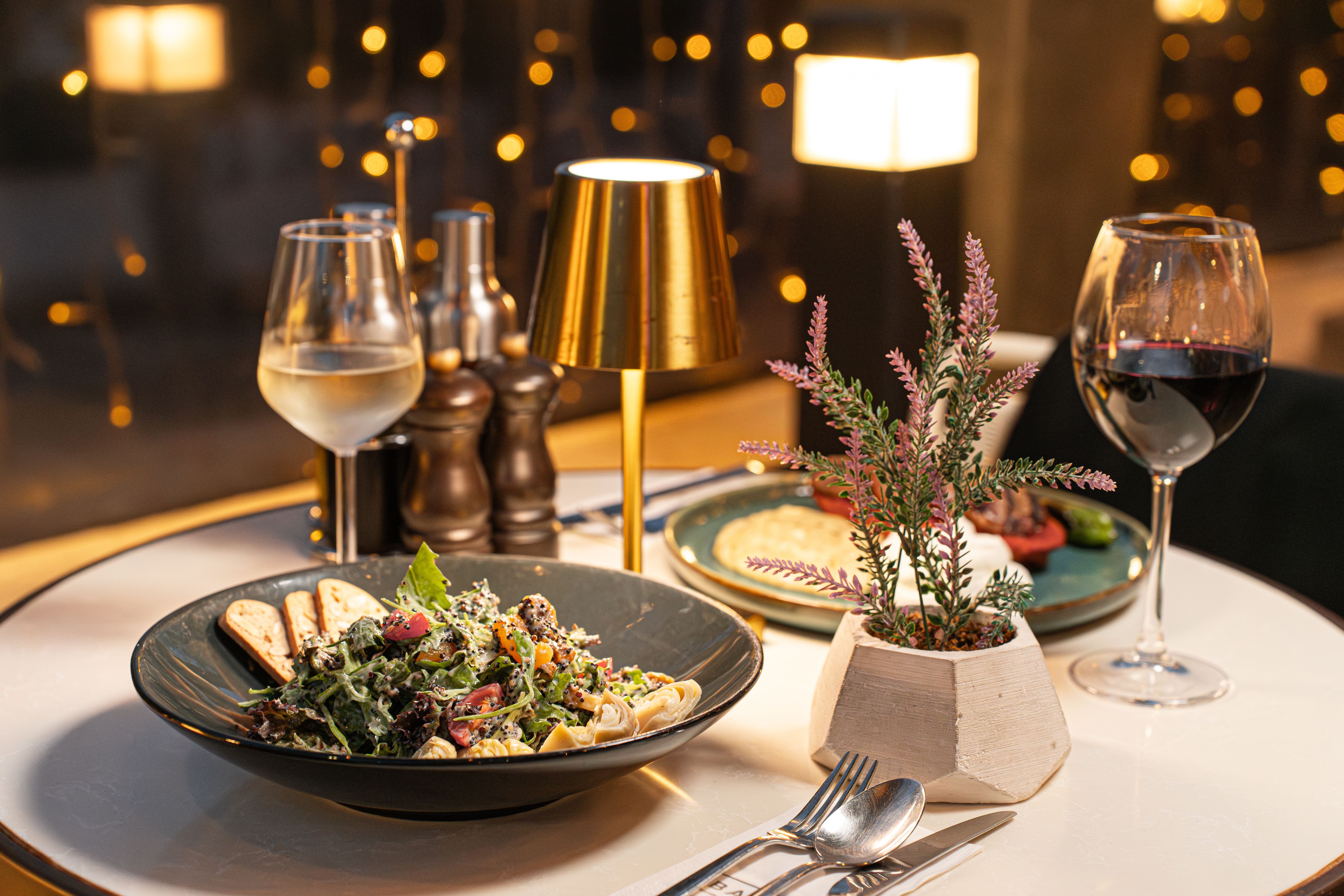
A little planning makes dinner easier
The next time everyone says, “I don’t care,” do not ask the same question again. Instead, identify the practical details that matter. Ask about cuisine, budget, dietary needs, distance, and the mood everyone wants.
Once those answers are clear, the list of realistic choices becomes much shorter. Coffee shop options may suit a relaxed daytime gathering, while a more substantial dinner setting can work better for a full evening meal. The point is not to find a perfect restaurant; it is to find one that gives the group common ground.
The best group dinner is the one nobody has to overthink
Choosing where to eat becomes easier when hidden preferences are brought into the open. Most people are not truly indifferent; they simply do not want to be difficult. Give them a few simple questions, listen to the answers, and the right choice usually becomes clear.
For a relaxed meal, North Cafe can help too. Whether your plans call for a family-friendly restaurant in Chicago, a coffee bar, or a comfortable place to share a meal, choose a spot that gives everyone a reason to say yes. Good company matters most, but the right setting can make the evening feel effortless. Check out our menu and contact us today.