Food is never just food at an event. It is a mood, a memory, and a message all rolled into one. Anyone who has planned a corporate dinner, a wedding reception, or a community gathering knows that the menu is one of the most scrutinized decisions on the list. The best catering services in Chicago understand this intuitively, designing menus not only around flavor but around the full psychological experience a guest will carry home. Science backs this up: people are wired to encode emotionally charged experiences more deeply, and few things trigger emotion quite like taste and smell. If you want your event to be remembered, understanding the psychology of food is not optional. It is essential.
First Impressions Are Formed at the Welcome Bite
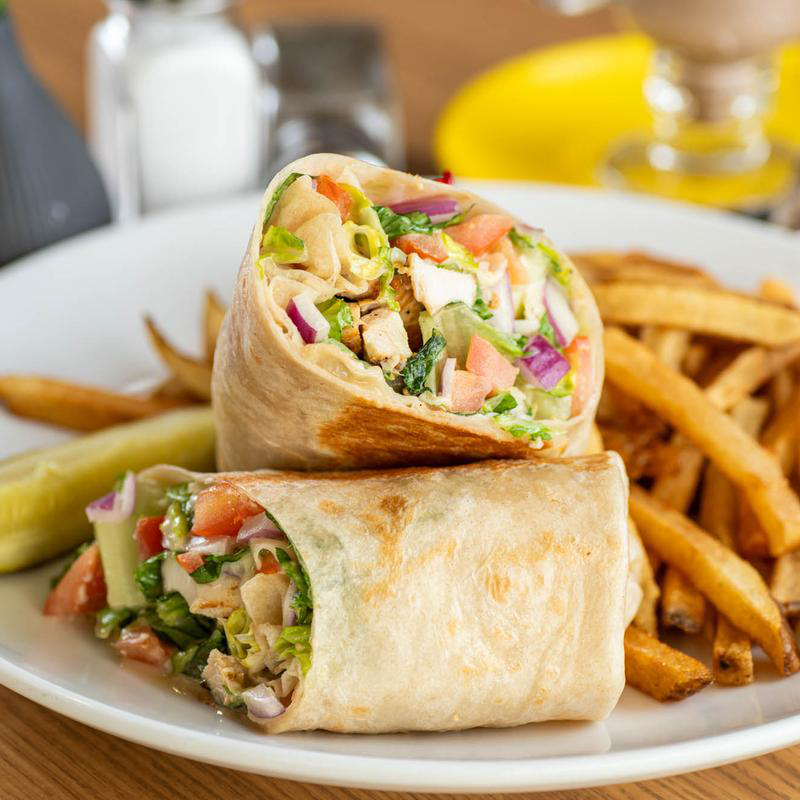
Guests form an opinion about an event within the first few minutes of arriving. The initial food or drink they encounter sets the psychological benchmark for everything that follows. A warm, well-presented passed appetizer signals hospitality and care. A lukewarm platter that has been sitting too long signals the opposite, and that first impression is remarkably sticky.
Psychologists refer to this as the primacy effect, the tendency for people to weight early information more heavily than what comes later. This means the entry-point food experience, whether it is a signature cocktail, a welcome canape, or even the visual presentation of a grazing table, carries disproportionate memory value. Guests may not remember every course, but they will almost always remember how the event began.
Smell Is the Fastest Route to Memory
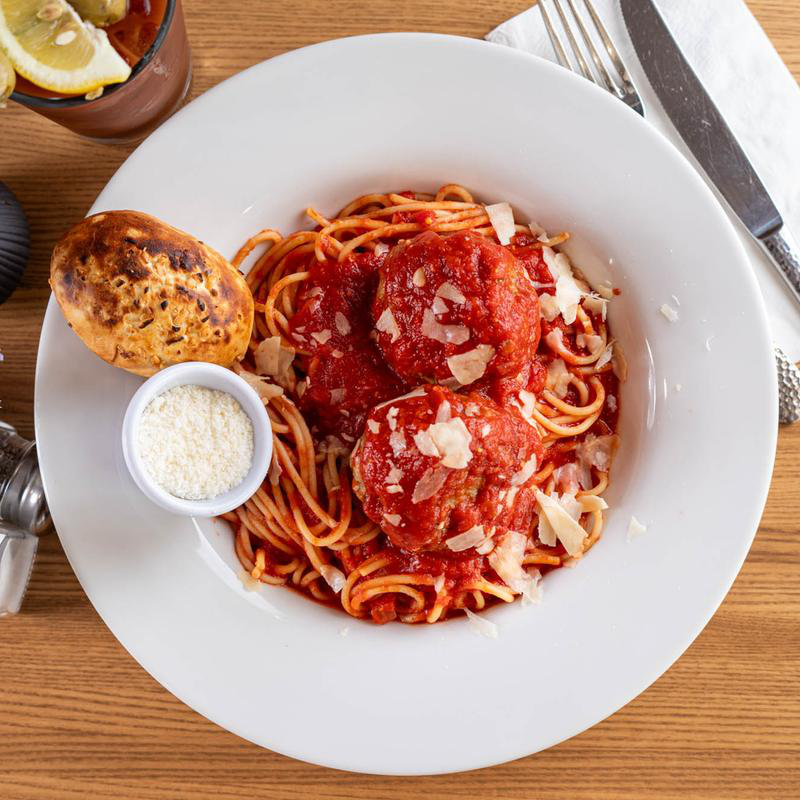
Of all the senses, smell has the most direct connection to the brain’s memory and emotion centers. This is not poetic language; it is neuroscience. The olfactory system bypasses the thalamus entirely and feeds directly into the limbic system, the part of the brain responsible for memory consolidation and emotional response.
At events, this means the aroma of the food environment shapes how guests feel and what they retain. A room that smells of freshly baked bread, slow-roasted herbs, or warm spices activates comfort and pleasure at a subconscious level. Conversely, a catering setup with conflicting or off-putting smells can create unease that guests cannot quite articulate but will absolutely associate with the event.
Thoughtful caterers design with aroma in mind, considering how food stations are positioned and what the olfactory journey of the room will feel like as guests move through it.
Shared Eating Creates Social Bonding
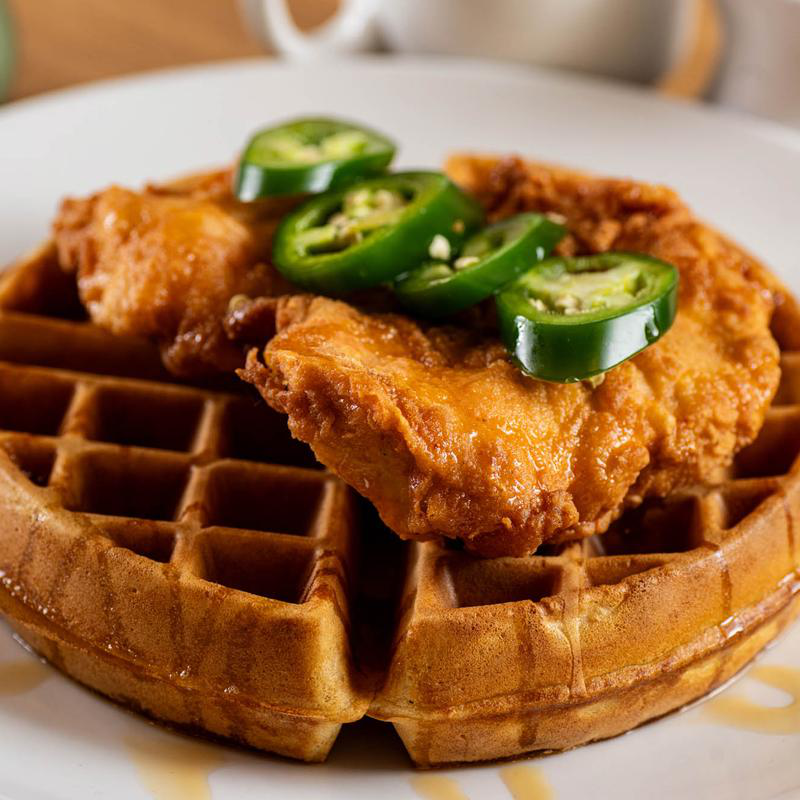
There is a reason every major culture on earth uses communal meals to mark significant occasions. Research in behavioral science consistently shows that eating together builds trust, reinforces group identity, and strengthens emotional bonds between participants. For corporate events, this has real professional implications. Guests who share a meal are measurably more likely to report positive feelings about both the event and the people they attended it with.
This is why the format of food service matters as much as the food itself. Seated dinners with shared plates, family-style service, or interactive food stations naturally encourage conversation and connection. Boxed lunches eaten at individual desks accomplish the opposite. When you design a food experience for togetherness, guests leave feeling something, and they remember what made them feel it.
Novelty Anchors Memories More Than Quality Alone
People do not always remember the most expensive dish. They remember the most unexpected one. Cognitive science tells us that novel experiences are tagged differently in the brain and retrieved more easily than routine ones. A beautifully plated filet might be technically impressive, but a made-to-order taco with a locally sourced salsa or a dessert that guests watch being assembled in front of them creates an episodic memory, a story they can retell.
Chicago’s food culture is rich with opportunity here. Incorporating ingredients, techniques, or flavors that reflect the city’s culinary identity gives guests a sense of place and a point of narrative connection. They are not just eating food; they are experiencing where they are.
The Ending Shapes the Entire Narrative
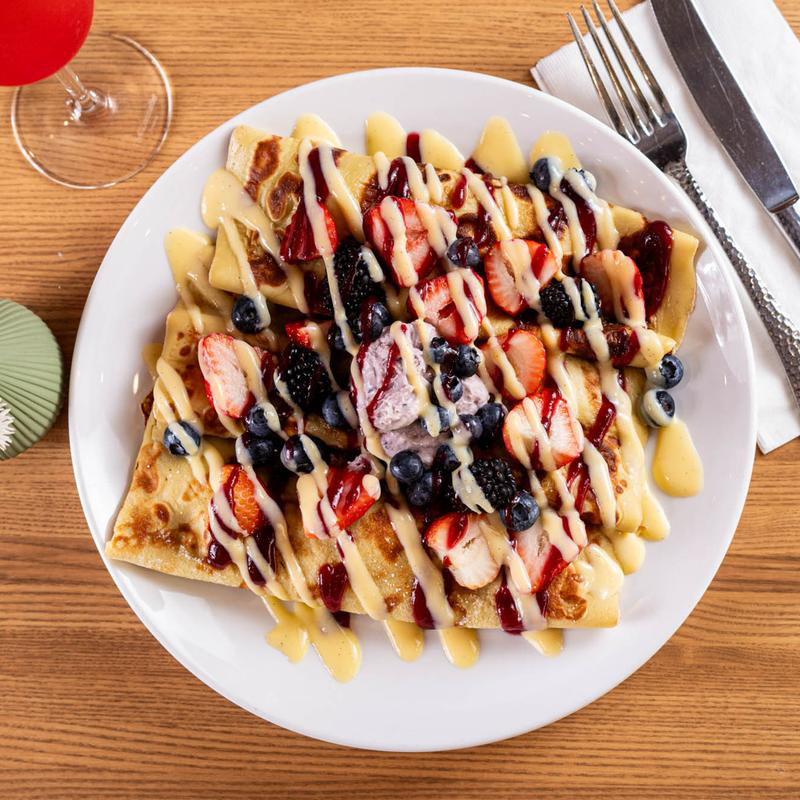
Just as the primacy effect governs first impressions, the recency effect governs final ones. The last thing guests eat and how the food experience concludes has an outsized influence on their overall assessment of the event. This is why a thoughtful dessert presentation or a final passed treat as guests prepare to leave is worth the investment.
The recency effect also explains why events that run out of food, or end the catering service too abruptly, leave guests with a disproportionately negative impression, regardless of how well everything else went. A strong close is not a luxury. It is a psychological necessity.
Personalization Signals Respect
Guests notice when they have been considered. Dietary accommodations handled with grace rather than reluctance, options that reflect diverse preferences, and labeling that helps people make confident choices all communicate that the host thought about who was coming. This perception of being valued is deeply connected to memory formation. When people feel respected, they associate that feeling with the entire event experience, including every bite of food they ate while feeling it.
Food, when approached with psychological intention, becomes one of the most powerful tools an event planner has. It is not decoration. It is the emotional architecture of the experience itself.
Ready to Elevate Your Next Event? Choose 5800 North Cafe
From corporate lunch and office breakfast catering to birthday party and family gathering catering in Chicago, 5800 North Cafe is the local catering service that delivers. Whether it is a private or small event, book your experience with us today.