
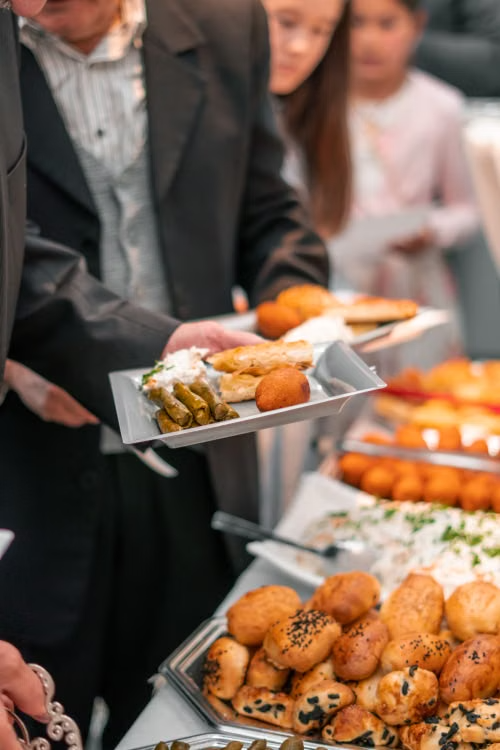
A smaller office breakfast can feel generous without leaving trays of food untouched. The key is choosing a few dependable dishes, adding fresh sides, and offering enough drinks for different preferences. For office breakfast catering in Chicago, a spread for 10 to 20 coworkers should give everyone a satisfying choice while keeping portions practical.
Start With Two Main Dishes
For a group this size, two main dishes usually create enough variety. Choose one hearty option and one lighter or meat-free choice. Scrambled eggs, breakfast potatoes, pancakes, French toast, breakfast sandwiches, or a baked egg dish can form the foundation.
For 10 people, plan about 10 to 12 servings of each main if the dishes are the only substantial food. When several sides are included, you can reduce that to roughly 8 to 10 servings per main. For 20 people, ordering 16 to 20 servings of each main gives guests room to sample both without creating excessive leftovers.
Ask about allergies and dietary restrictions before ordering.
Add Two or Three Sides
Sides make a small breakfast feel complete, but too many choices can quickly become wasteful. Pick two or three from fresh fruit, yogurt, oatmeal, breakfast potatoes, pastries, muffins, or toast.
Fruit is especially useful because it balances richer dishes and requires little explanation or serving preparation. For 10 people, one medium fruit tray or about 10 individual portions is a sensible starting point. For 20, aim for 18 to 20 portions, especially if fruit is a popular choice.
If you include pastries or muffins, one per person is generally enough when eggs or another main dish is available. Add a few extras for larger appetites rather than doubling the entire order. Breakfast potatoes can be portioned at about one-half cup per guest when they accompany eggs and other sides.
Build a Beverage Station
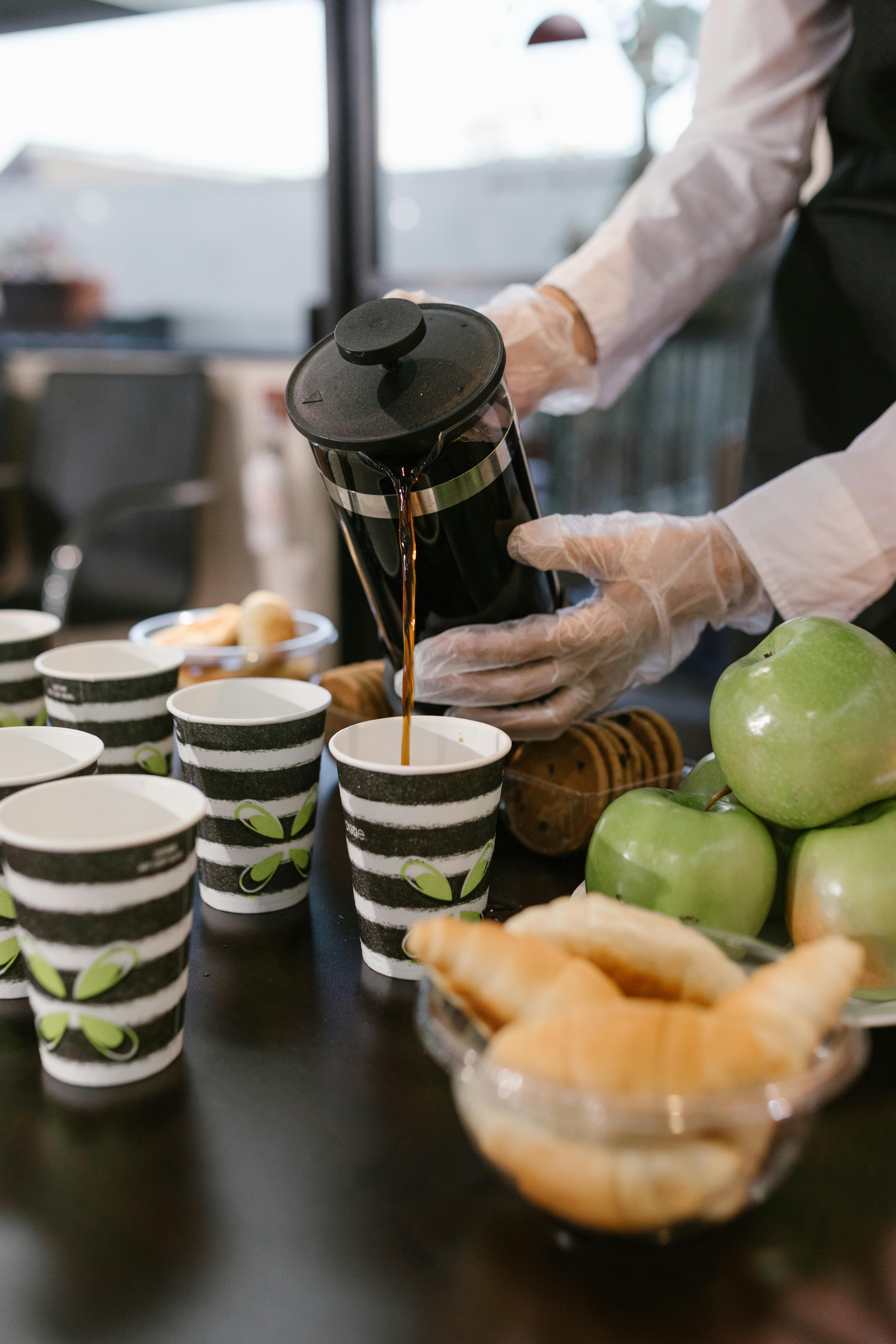
Drinks can make or break the flow of a workplace breakfast. Coffee should be the first priority, followed by water and at least one non-coffee option. Tea, juice, or flavored sparkling water can give guests an easy alternative.
For coffee, plan roughly one 8-ounce cup per person, plus a small buffer. For 10 guests, 12 cups is a comfortable target; for 20, plan around 24 cups. Include regular and decaf if your group has mixed preferences. Set out cream, milk, sugar, and a non-dairy option so people can serve themselves quickly.
Offer juice at about 6 to 8 ounces per guest, and keep water available for everyone. Cold drinks should sit apart from hot coffee so guests can choose quickly and comfortably without crowding the main food table during arrivals.
Think About Portions, Not Just Trays
A common mistake with small workplace breakfasts is ordering based on tray size instead of actual servings. Ask how many people each tray feeds and whether the stated serving assumes a full meal or a light portion.
For a 10-person meeting, a practical starting point might be 10 servings of eggs, 10 servings of a second main, 10 fruit portions, 10 pastry pieces, and 12 coffee servings. For 20 people, increase those amounts to around 20 main servings, 18 to 20 fruit portions, 20 pastries, and 24 coffee servings.
These numbers are starting points, not rigid rules. A two-hour training session may require more food than a short morning meeting. If breakfast follows an early shift, guests may also arrive hungrier than they would for a casual office gathering.
Make Setup Easy
Food should be simple to identify and serve. Label vegetarian dishes and common allergens, then place serving utensils with each item. Keep plates, napkins, cups, cutlery, and condiments together so guests can move through the table quickly.
For meetings where people eat at their desks, choose foods that travel well and need little assembly. Sandwiches, egg portions, pastries, fruit cups, and individually packed sides can be easier than dishes that need cutting or plating.
Place drinks at a separate station when possible. This keeps the breakfast line moving and prevents coffee traffic from slowing down people who are ready to eat.
Choose Variety Without Overordering
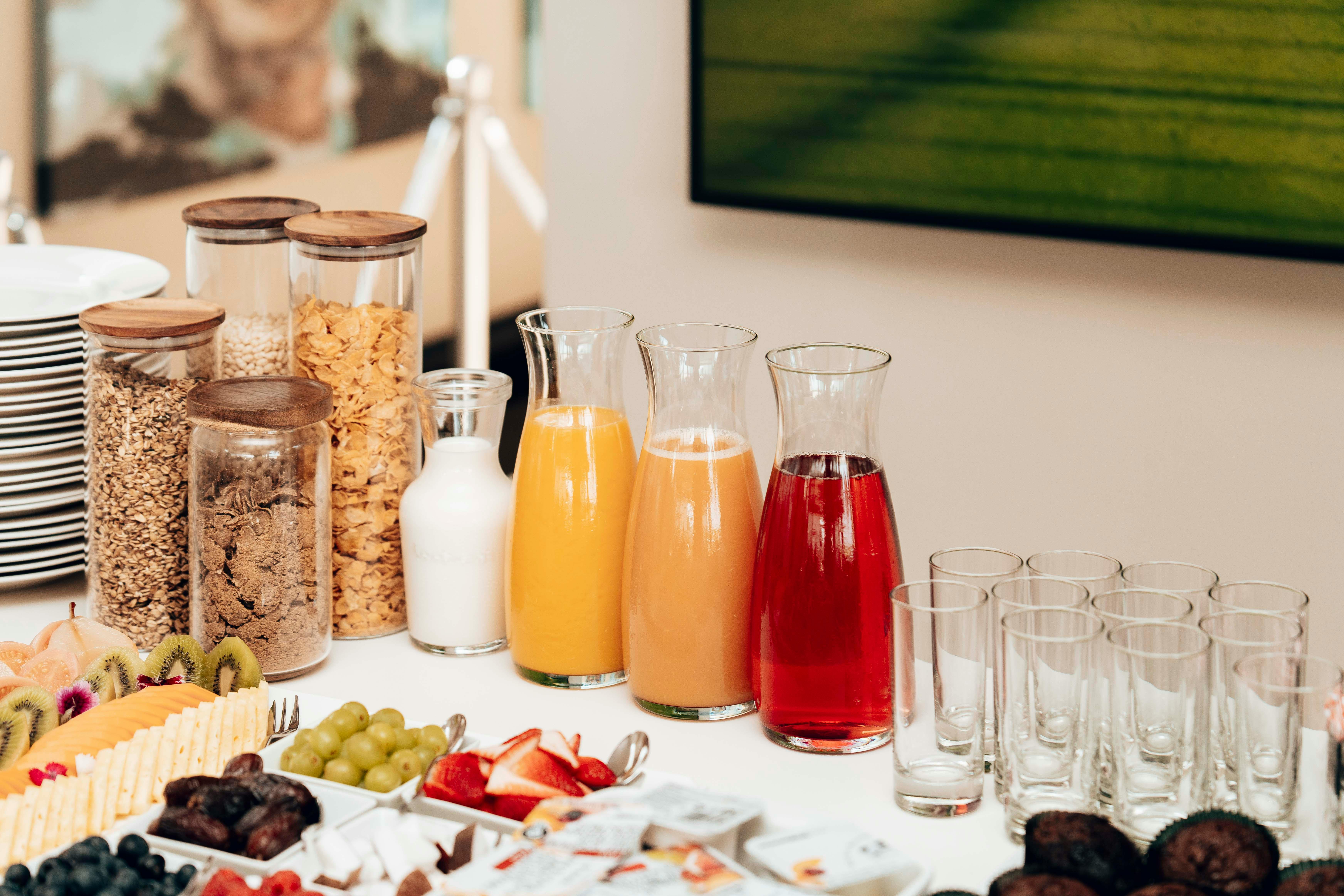
The best small breakfast spread is not the one with the longest menu. It is the one where every item has a purpose. Two mains, two or three sides, coffee, water, and one alternate beverage can cover a wide range of preferences for 10 to 20 people.
Before placing the order, confirm the headcount, meeting length, dietary needs, serving sizes, delivery timing, and available table space. A little planning helps you spend wisely while still giving coworkers a breakfast that feels generous and thoughtful.
For Chicago teams, a dependable local caterer can simplify quantities, timing, and menu choices for a smaller gathering. If you want an option, a neighborhood cafe can help bring breakfast favorites, coffee, and sides together for your next office morning. Keep the menu focused, fresh, and easy to serve, especially when the group is small and the schedule is busy.
Plan a Better Chicago Office Breakfast
A successful office breakfast does not require a huge order. Start with two satisfying mains, add fresh fruit and one or two supporting sides, then plan coffee and other drinks around the headcount. Keep dietary needs visible, portions realistic, and setup simple. With the right balance, 10 to 20 coworkers can enjoy plenty of variety without a table full of leftovers.
For catering services in Chicago, North Cafe can help you plan a welcoming spread without unnecessary excess. A focused menu can keep portions manageable and service easy. If a meeting works better in a relaxed setting, a coffee shop can offer a comfortable alternative for bringing the team together. Check out our menu and contact us today.