
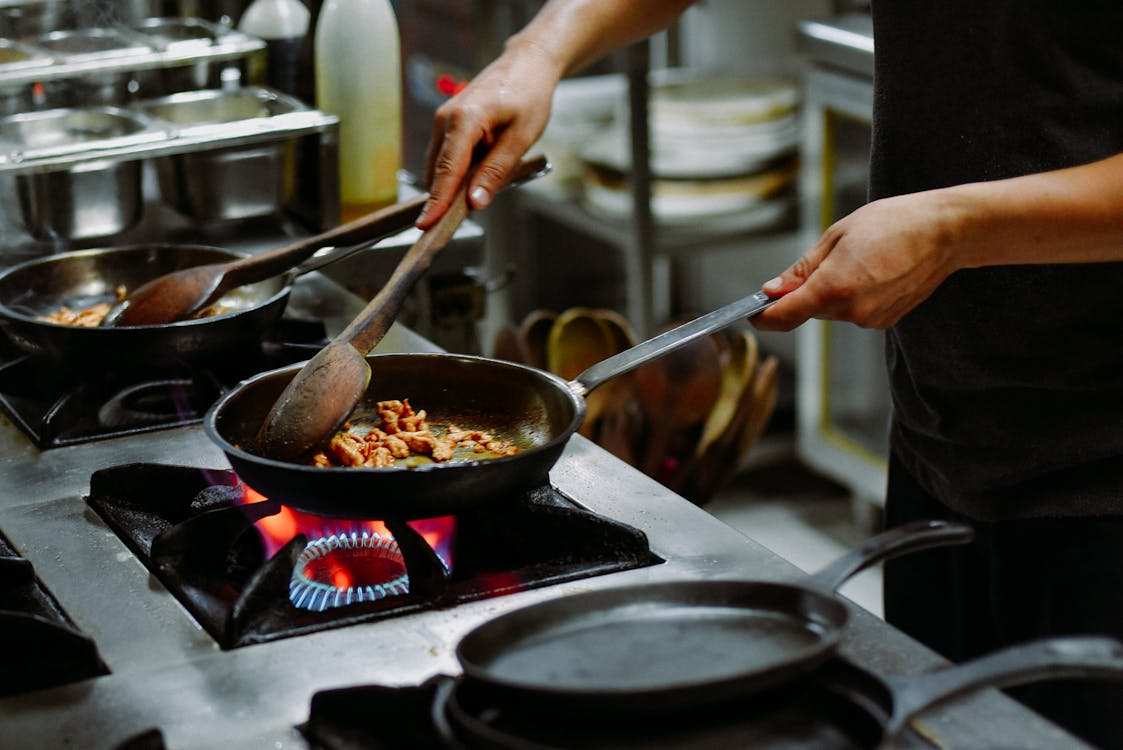
Chicago moves fast, and the kitchens feeding it have to move faster. Whether a venue positions itself as a casual dining restaurant or a weekend brunch restaurant Chicago residents count on for their Sunday ritual, the ability to scale from everyday service into full event catering without losing quality is what separates truly capable kitchens from the rest. A Chicago breakfast cafe that can handle a packed Saturday morning rush is doing something impressive. One that can simultaneously prepare office breakfast catering for a corporate group arriving at 7:30 a.m. while maintaining its regular service is doing something exceptional. As the line between restaurant dining and event catering continues to blur, the question of what makes a café kitchen genuinely event-ready has never been more relevant. The answer goes far deeper than square footage and equipment.
Volume Capacity without Quality Compromise
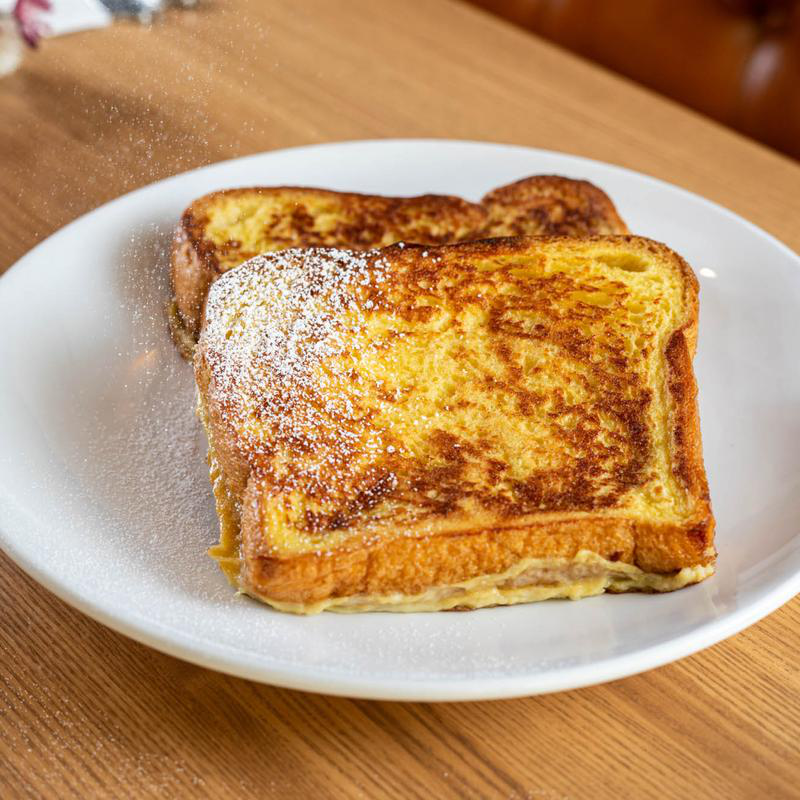
The most fundamental test of an event-ready kitchen is whether it can scale output without scaling down standards. Producing twenty plates of the same dish is a different operational challenge from producing two hundred, and not every kitchen is designed to meet that challenge gracefully. Temperature consistency, timing coordination, and ingredient prep at volume all require systems that casual-volume kitchens do not always have in place.
Event-ready café kitchens invest in those systems deliberately. Prep workflows are designed to accommodate large batch cooking without the shortcuts that erode flavor. Equipment is selected not just for daily service but for the peak demand that an event brings. The kitchen that handles a busy weekend brunch service with composure has usually already developed the muscle memory for volume. The question is whether its infrastructure can support a sustained, coordinated event push on top of that baseline.
Speed of Execution under Structured Timelines
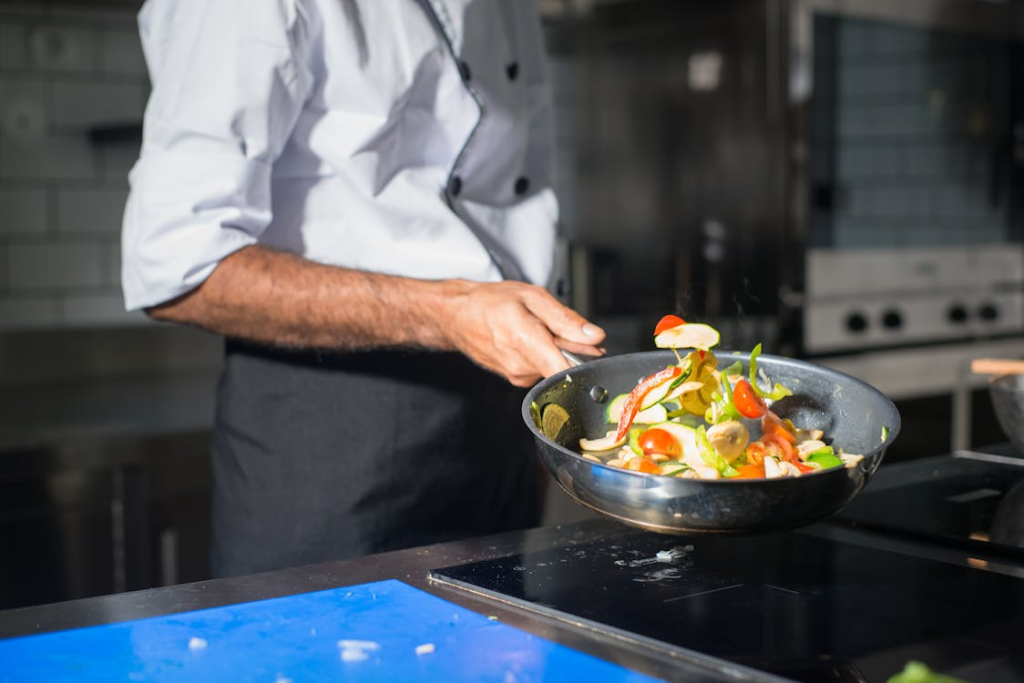
Restaurant kitchens are built for speed, but event kitchens require a different kind of speed. A café serving a lunch restaurant in Chicago’s competitive dining scene is optimized for individual ticket times, sending out orders as they come in from a dining room in real time. Event catering requires synchronized execution, where large quantities of multiple dishes must be ready within the same narrow window rather than staggered across a service period.
This distinction matters enormously in practice. A kitchen that excels at individual ticket speed may struggle with the batch coordination that event catering demands. Conversely, a kitchen that has developed strong mise en place discipline and pre-event staging protocols can execute synchronized service at scale without the chaos that often plagues underprepared operations. Event readiness is as much a mindset as it is a physical capacity.
Staff Versatility and Cross-Training
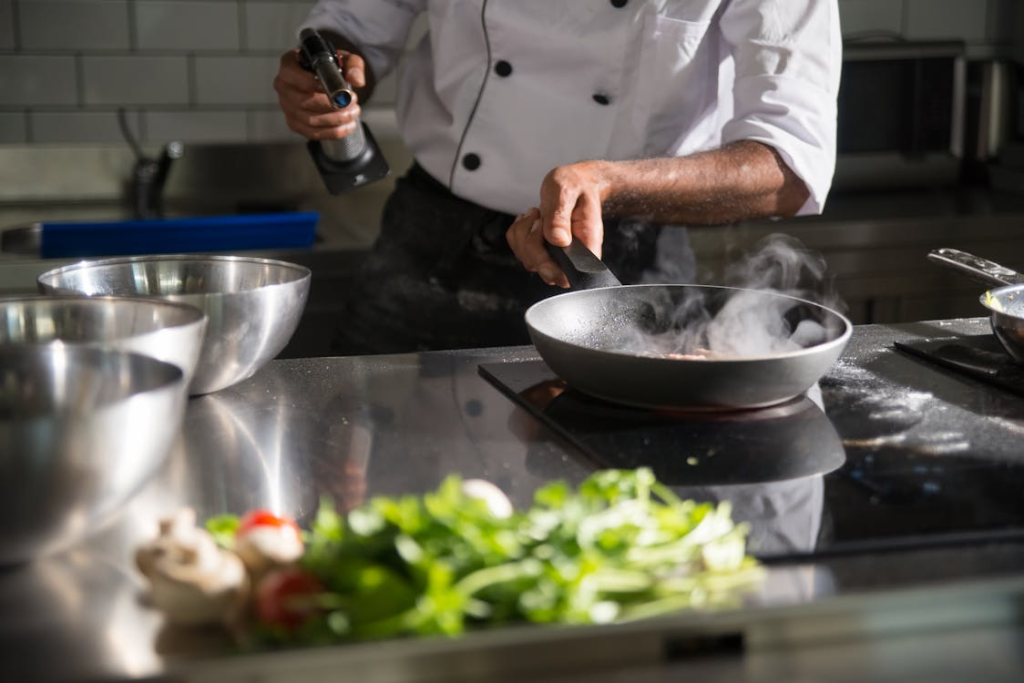
A kitchen is only as event-ready as its people. In a fast-paced city like Chicago, high staff turnover in food service is a real operational challenge. Kitchens that build event readiness into their team culture, training staff across multiple stations and functions rather than siloing each person into a single role, are significantly more resilient when event demands require flexibility.
Cross-trained kitchen teams can absorb the unexpected with far less disruption. When a prep cook can step into a service role, or a line cook understands the full event timeline rather than just their station’s contribution to it, the kitchen operates as a cohesive unit rather than a collection of independent functions. That cohesion is visible in the final product and felt by every guest at the event.
Ingredient Sourcing and Advance Planning
Event-ready kitchens do not wait until the week of an event to think about ingredients. Supply chain relationships, seasonal availability, and advance ordering protocols are built into their planning cycles well before service day. A kitchen that sources reactively for daily service but has no established advance procurement process for events will consistently face gaps, substitutions, and last-minute pressure that compromise output quality.
The best event-capable café kitchens treat ingredient planning as a foundational part of event preparation, locking in suppliers, confirming quantities, and building in contingency sourcing well ahead of the date. This discipline translates directly into the consistency and quality guests experience on the day itself.
Cleanliness, Compliance, and Operational Readiness
Event catering brings heightened scrutiny to every aspect of kitchen operations. Health code compliance, allergen management, temperature logging, and food safety protocols that might be managed informally during daily service must be rigorously formalized for event contexts where guest counts are higher and liability exposure is greater.
An event-ready kitchen treats compliance not as a checklist to satisfy before an inspection but as an operating standard embedded into every shift. The cleanliness of a kitchen on a random Tuesday afternoon is the truest indicator of its event readiness, because it reveals whether standards are maintained out of habit or only in anticipation of being observed.
Experience an Event-Ready Kitchen at 5800 North Cafe
From casual dining and weekend brunch to full-scale corporate and private event catering, 5800 North Cafe brings restaurant-quality precision to every format. We are the local catering service built to handle Chicago’s pace. Reserve your event experience today.