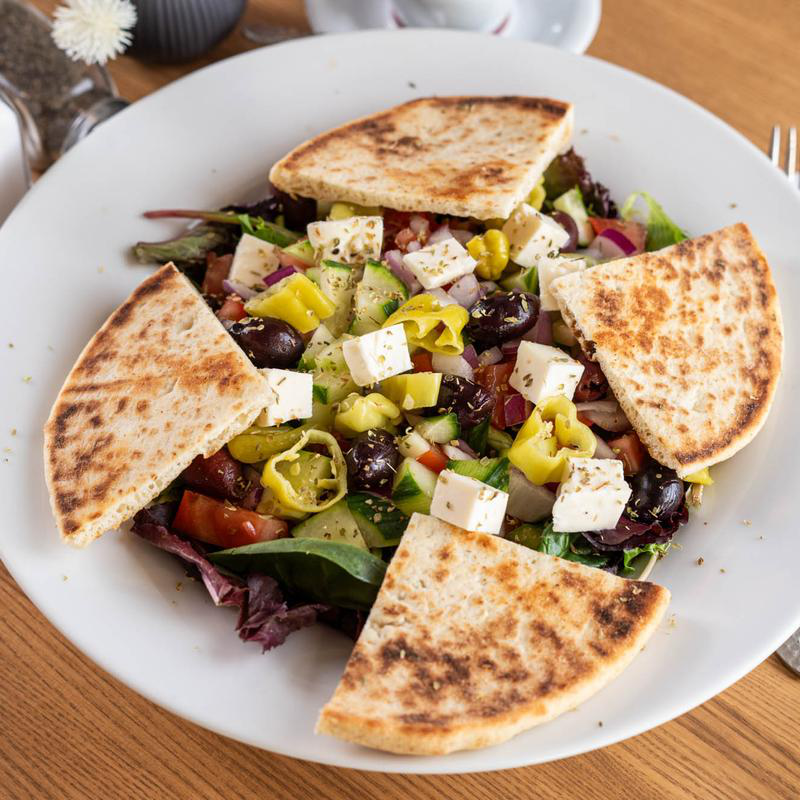
The way people eat at events has shifted, and Chicago hosts are taking notice. Attention spans are shorter, schedules are tighter, and the expectation that every guest will sit down for a formal, structured meal is quietly giving way to something more flexible. The growing popularity of online lunch ordering has reset what people expect from food delivery and service at events too. Corporate lunch catering is no longer limited to a single format. Office breakfast catering that once meant a platter on a table now competes with the speed and personalization guests experience when they order food online in Chicago on a regular workday. The hybrid catering model, which blends the accessibility of grab-and-go service with the polish of full-service hospitality, is the industry’s answer to this cultural shift. For hosts who want to meet guests where they are without sacrificing the event experience, it is becoming the most practical and satisfying approach available.
What Hybrid Catering Actually Means
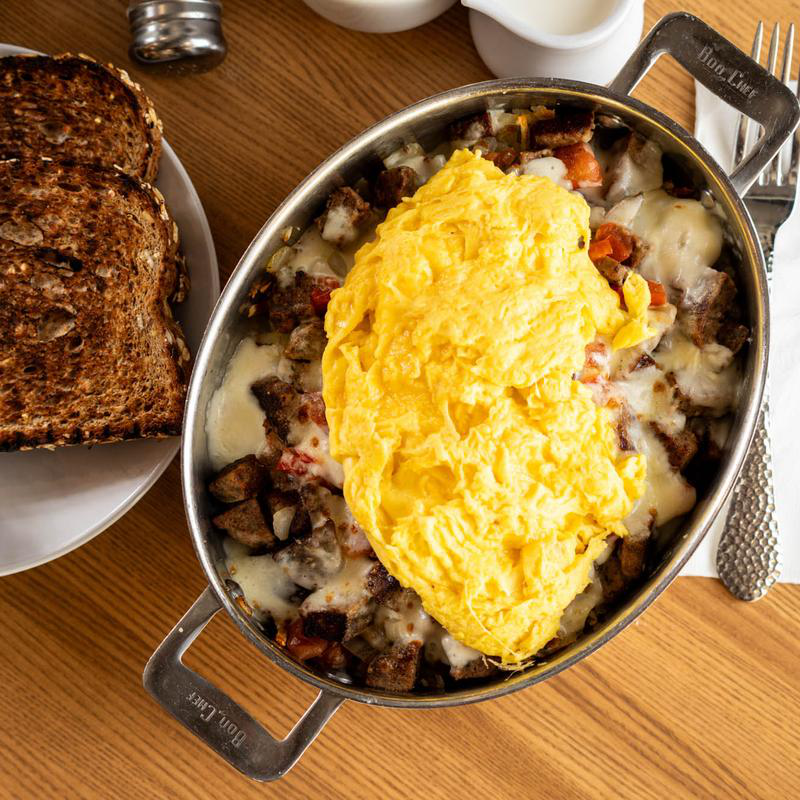
Hybrid catering is not simply offering both a buffet and a seated option. It is a deliberately designed service model that assigns different food formats to different moments within the same event. A morning corporate gathering might open with a self-serve grab-and-go breakfast station where guests collect items as they arrive, then transition into a more structured plated or family-style lunch as the agenda moves into its formal programming.
The distinction between the two formats is intentional. Grab-and-go elements serve speed, accessibility, and informal connection. Full-service elements signal occasion, structure, and hospitality. When both are used thoughtfully within a single event, they complement rather than compete with each other.
Why the Grab-and-Go Format Has Earned Its Place
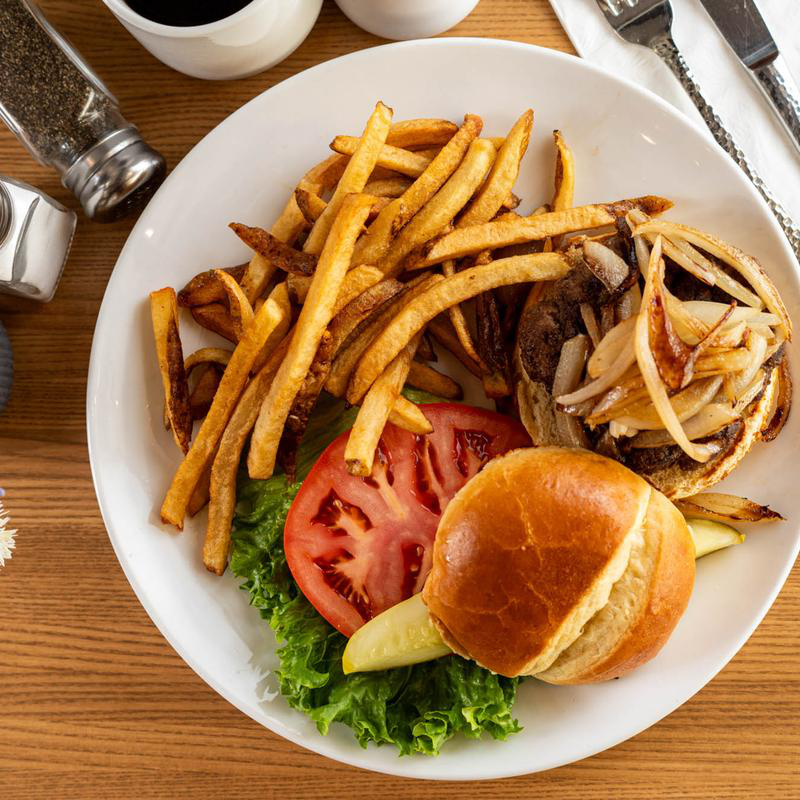
For years, grab-and-go catering was associated with convenience at the expense of quality. Pre-packaged sandwiches and boxed lunches carried a reputation for being functional rather than memorable. That association is no longer accurate. The expansion of food culture in Chicago, driven in part by elevated casual dining and the rising standard of online food delivery, has pushed grab-and-go formats to a significantly higher level.
Individually portioned items are now designed with the same care as plated courses. Packaging has become part of the presentation. Guests who pick up a beautifully assembled breakfast box or a curated snack bag at a well-designed station do not feel like they are receiving a lesser experience. They feel like they have been given something made for them specifically, which carries its own emotional resonance.
Where Full-Service Still Holds the Room
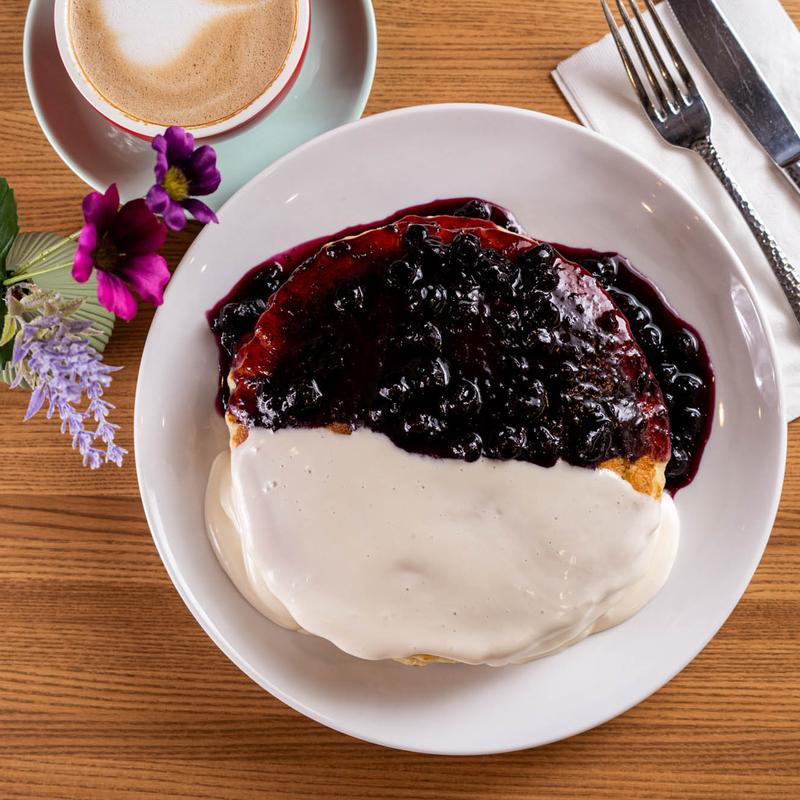
Despite the appeal of flexibility, full-service catering retains a power that grab-and-go cannot replicate. There are moments in every event where the act of being served matters. A keynote dinner, a formal award presentation, or a milestone celebration calls for a level of hospitality that self-service cannot provide. Guests who are seated, attended to, and presented with a thoughtfully plated course feel the weight of the occasion in a way that a self-collected meal simply does not deliver.
Full-service also creates natural pauses in the event. When food arrives at the table, conversation deepens. Guests settle. The energy of the room shifts from active to reflective, which is often exactly what a well-timed event needs at certain points in its program.
Designing the Transition Between Formats
The success of hybrid catering depends almost entirely on how the transition between formats is managed. A poorly executed shift from grab-and-go to full-service can feel disjointed and confuse guests about what is expected of them. A well-executed transition feels like a natural progression in the event’s story.
The physical layout of the space plays a major role here. Grab-and-go stations should be positioned in arrival or transitional zones where movement is expected. Full-service setups should anchor the areas of the venue associated with the event’s primary programming. When the spatial logic mirrors the service logic, guests move through the event intuitively without needing to be directed at every turn.
The Practical Benefits for Hosts and Planners
Beyond the guest experience, hybrid catering offers real operational advantages for the people planning the event. Grab-and-go elements can be prepared and deployed with lower staffing requirements, which frees the service team to concentrate on the full-service portions of the event where their presence has the greatest impact. This distribution of labor often improves the quality of both formats simultaneously.
Budget management also benefits. Hosts can allocate more of the catering investment toward the full-service moments that carry the most emotional weight while keeping costs lean during transitions and informal segments. The result is an event that feels generous throughout without requiring uniform spending across every phase of the food experience.
Reading Your Guest List Before Choosing Your Format
No hybrid model works universally. The right balance between grab-and-go and full-service depends on who is attending, what the event is designed to accomplish, and how the space supports movement and gathering. A fast-paced professional conference calls for more grab-and-go weight. A celebratory private dinner leans heavily toward full-service. Most events fall somewhere in between, and the best catering partners help hosts find that balance before the first item is ever ordered or prepared.
Flexible, Elevated Catering Starts at 5800 North Cafe
From online breakfast ordering to full-service corporate lunch catering, 5800 North Cafe builds hybrid experiences that work for any event format. We are the local catering service Chicago hosts rely on for flexibility without compromise. Let us design your next event menu. Reach out today.