
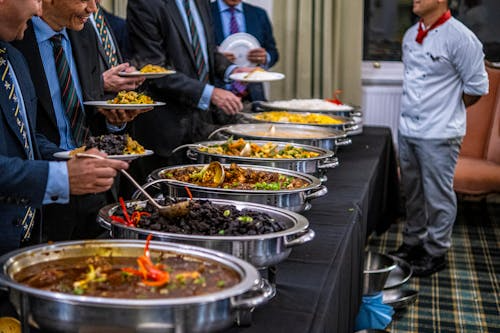
Corporate catering in major cities like Chicago operates within strict regulatory and operational frameworks. According to the Centers for Disease Control and Prevention, foodborne illnesses affect an estimated 48 million people annually in the United States, reinforcing the importance of strong event food safety standards. For corporate gatherings—where timing, presentation, and consistency are non-negotiable—caterers must adhere to defined safety benchmarks while maintaining a polished service experience.
Let’s explore how catering providers in Chicago maintain food safety, manage sourcing, and execute precise timelines for corporate functions.
Regulatory Compliance and Food Safety Protocols
Adherence to event food safety standards begins with compliance with municipal and federal regulations. In Chicago, caterers must align with guidelines set by the Chicago Department of Public Health and the FDA Food Code.
Core safety measures include:
- Temperature control for hot and cold food (above 140°F and below 40°F)
- Prevention of cross-contamination during preparation and service
- Routine sanitation of kitchen tools and serving equipment
- Mandatory food handler certifications for staff
These practices are applied consistently across the event catering services.
Standardization Across Catering Formats
Corporate clients demand uniform quality across various service types. Whether organizing office breakfast catering, lunch catering, or corporate brunch catering, providers must maintain consistent preparation and delivery processes.
Operational consistency includes:
- Pre-approved ingredient sourcing lists
- Standardized portion sizes
- Packaging systems that preserve temperature and presentation
- Documented workflows for preparation and dispatch
These systems are equally applied where timing and freshness directly influence client satisfaction.
Importance of Localized Sourcing
Localized sourcing has become a defining factor in Chicago’s catering sector. Procuring ingredients from regional suppliers reduces transportation time and supports freshness benchmarks aligned with event food safety standards.
Benefits of localized sourcing:
- Reduced risk of spoilage during transit
- Improved traceability of ingredients
- Support for regional agricultural businesses
- Seasonal menu adaptability
This sourcing model is widely used by providers offering local catering service contributing to both quality control and sustainability goals.

Time-Sensitive Logistics and Delivery Precision
Corporate events often operate on strict schedules, where even minor delays can disrupt proceedings. Catering providers must implement structured timelines to maintain service reliability.
Key logistical practices include:
- Route optimization for city-wide deliveries
- Buffer time allocation for traffic variability
- Staggered preparation schedules to maintain food freshness
- Real-time communication between kitchen and delivery teams
These practices are particularly relevant where punctuality directly impacts business operations.
Presentation Standards for Corporate Events
Food presentation in corporate settings reflects brand identity and professionalism. Beyond safety, caterers must maintain visual consistency and cleanliness.
Presentation protocols include:
- Use of high-grade serving materials
- Uniform plating techniques
- Labeling for dietary restrictions and allergens
- Clean and organized buffet or serving stations
These standards apply across formats such as private event catering when hosted in corporate environments.
Integration of Digital Ordering Systems
The rise of digital platforms has transformed how catering services operate. Systems supporting online food delivery in Chicago restaurant models allow businesses to streamline ordering while maintaining safety compliance.
Digital integration supports:
- Accurate order tracking
- Reduced human error in order processing
- Scheduled deliveries aligned with event timelines
- Transparent communication between clients and caterers
This infrastructure is widely adopted by providers handling lunch and breakfast catering services.
Quality Assurance Through Staff Training
Staff competency remains a central factor in maintaining event food safety standards. Training programs typically include:
- Food handling and sanitation certification
- Emergency response protocols for food safety incidents
- Customer service training aligned with corporate expectations
- Equipment handling and maintenance procedures
This training supports consistent delivery across diverse offerings and operations integrated with catering services.
Maintaining Standards in a Competitive Market
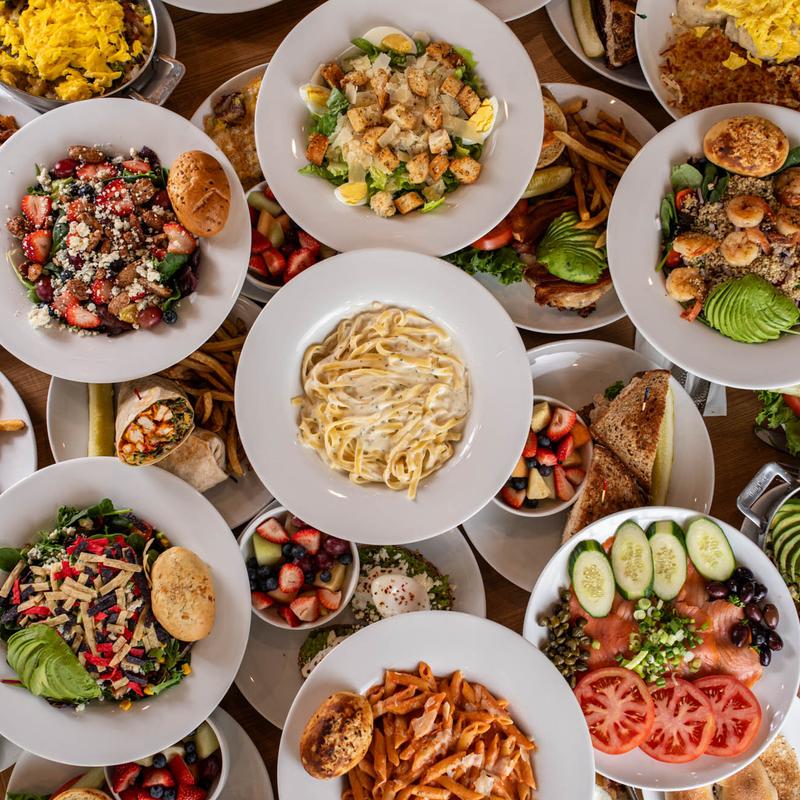
Corporate event catering in Chicago operates within a highly structured environment where safety, sourcing, and timing intersect. Adherence to event food safety standards, combined with localized sourcing and disciplined logistics, defines service quality in this sector. For organizations planning business events, selecting a provider with established quality control systems is a practical decision that impacts both attendee experience and operational flow.
For dependable corporate catering backed by structured quality practices, consider 5800 North Cafe. Our approach to sourcing, preparation, and service delivery aligns with the expectations of modern business functions in Chicago. Make reservations now or order food online.